
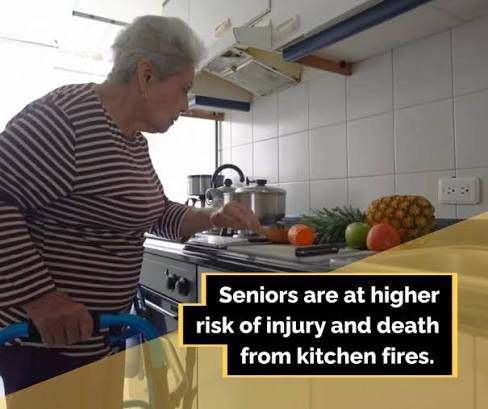
Helping a relative arrange an appliance repair works best when the relative remains the person directing the help. Agree what assistance is wanted, let the daily user describe the problem and make room for a decision they understand. A companion can reduce practical effort without becoming the default spokesperson, customer or decision maker simply because they answer quickly.
Imagine a Kanata resident who wants a family member beside them for a dishwasher assessment. The resident uses the kitchen every day and knows what changed. The family member is comfortable finding contact details and saving documents. Those strengths can complement each other. Trouble begins when convenience quietly transfers the whole conversation to the helper and leaves the appliance user hearing a summary afterwards.
Agree what help is wanted before the visit
Begin by asking the relative which parts they would like help with. Finding a service contact, sitting in on the explanation and organising the resulting paperwork are distinct tasks. Someone may want assistance with the first and not the others. Avoid treating a request to help find a phone number as an invitation to manage every subsequent decision.
For a local starting point, the companion can open Capital Appliance Repair’s Kanata service alongside the resident and help them make the enquiry. The useful action is making the right contact route available to the person who wants it. The resident can still decide what to ask, whether to book and what contact information to supply.
Make the arrangement visible to the service desk. Explain that the appliance user will be present and wants the companion included in the discussion. Confirm who is the customer and how information should be shared. Being a relative does not require collecting every invoice, taking every call or receiving information the user would rather keep themselves.
Avoid creating an unnecessary dependency on the helper’s phone. Where the resident wants direct updates, help them establish a workable contact route of their own. Where they prefer the companion to receive messages, make that a conscious choice. The point is an arrangement the resident understands, including how it can change after this particular repair.
Do not infer a person’s wishes or decision-making ability from age, speaking pace or preference for company. This is an everyday support arrangement, not a medical or legal assessment. The companion’s role should follow the help requested and the actual booking agreement.
Let the daily user tell the appliance story
During the visit, direct the opening question to the person who uses the appliance. In the hypothetical dishwasher case, the resident may distinguish a new pool of water from dishes that were simply wet at the end of a programme. A helper who says only “it does not wash properly” can unintentionally erase the useful detail.
The companion can add an observation they personally made, but label it as their own. “I saw water under the lower basket on Tuesday” belongs beside the resident’s account, not in place of it. If the two memories differ, acknowledge that difference. There is no need to invent a tidy version that neither person actually witnessed.
Resist answering every question in the pause before the relative speaks. A little space can allow a more accurate account and show the technician whose experience matters. If the resident asks the companion to explain a point, the companion can do so and then return the conversation to the user.
Assistance should reduce effort where it is actually useful. The helper might locate an existing photograph, enlarge a document or retrieve the saved model information. None of that requires operating a concerning machine, moving it or demonstrating a fault. Ask the professional what information is useful rather than performing extra tasks to prove that the visit was well prepared.
Keep personal context proportionate. The technician needs relevant information about the appliance and working arrangement. They do not need a family history to understand why a companion is present. Share private details only where the resident wants them shared and they serve a practical purpose in the agreed work.
Make room for a decision without pressure
When a proposal is explained, let the resident hear the complete account before the helper evaluates it. Ask for unfamiliar terms to be clarified. A useful explanation connects the observed problem to the proposed work and says what remains open. The relative should be able to consider that explanation without the companion announcing a decision halfway through.
Where the resident wants a private discussion, ask for a moment rather than debating over them. The helper can organise the information: what was found, what the proposal includes and what question remains. Avoid turning personal preferences into technical conclusions. “I would buy a different dishwasher” is a preference, not a finding about this machine.
Payment assistance should be discussed separately. Offering to contribute does not need to become a surprise condition that transfers every choice to the person paying. Agree the relevant financial boundary beforehand where possible. If the proposal changes that arrangement, pause to discuss it openly rather than leaving the resident caught between the technician and the family member.
A decision can also be to seek clarification or take time before authorising defined work. The companion should not frame every pause as indecision to be solved on the resident’s behalf. Help identify what information would answer the remaining question, and let the provider explain any practical consequence of waiting.
Afterwards, ask the resident how they would describe the outcome. That reveals whether the explanation landed more effectively than “do you understand?” Keep the relevant paperwork where they want it and repeat any professional instruction accurately. If the job remains open, agree whether further help is wanted rather than assuming the companion has acquired a permanent role.
Successful help can end quietly. The resident knows what happened to their dishwasher, why they chose the next step and how to contact the provider again. The family member has made the process easier while leaving the kitchen’s owner with their own voice intact.




Leave a Reply